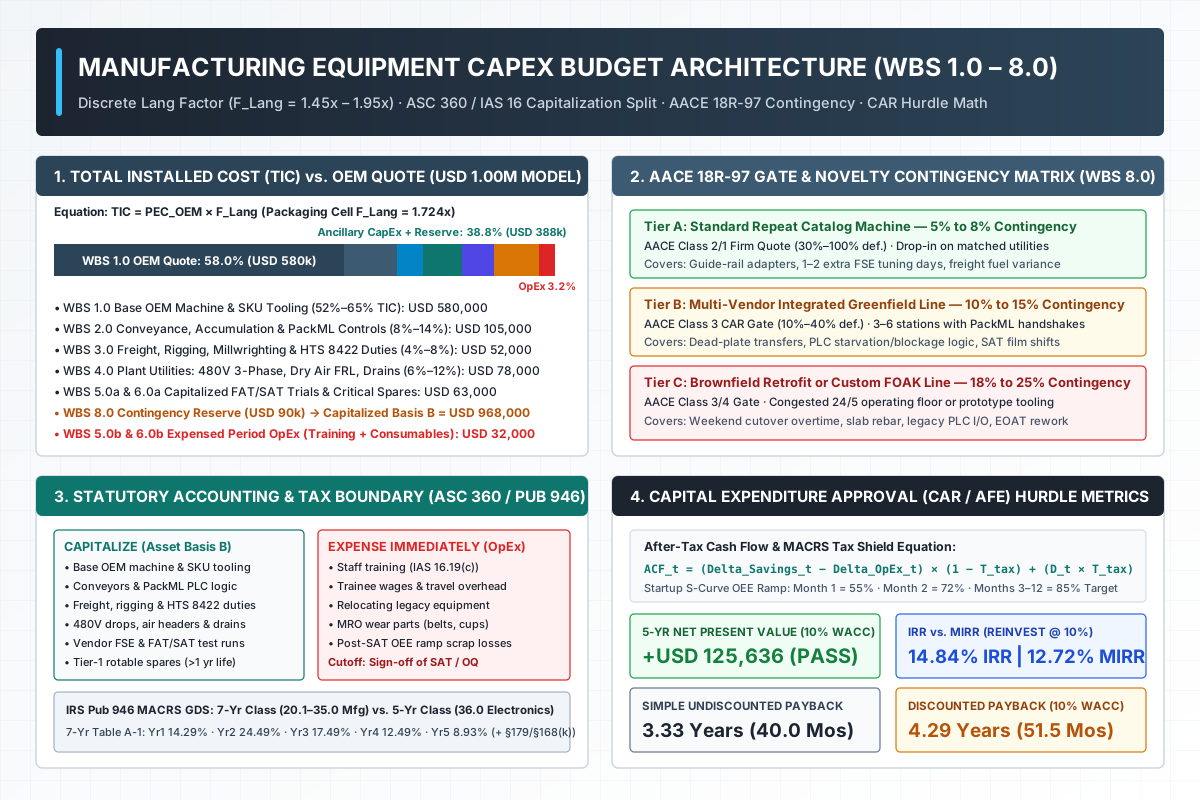
Net present value (NPV) measures an equipment investment’s discounted cash value over the appraisal horizon; the simple payback period measures how long its cash inflows take to recover the investment. Use both in manufacturing capital budgeting because a short payback can hide later maintenance costs that reduce lifetime value. The cash-flow worksheet calculates both from the same schedule.
NPV and simple payback answer different questions
NPV is expressed in currency, and payback is expressed in periods. A positive NPV means the forecast exceeds the selected required return. A short payback means the initial cash commitment is recovered early; later expenses can still reduce lifetime value.
| Decision factor | Simple payback period | Net present value |
|---|---|---|
| Main question | When is the investment first recovered? | What is the discounted net value over the study period? |
| Time value of money | Ignored | Included through the discount rate |
| Uneven ramp-up | Captured by cumulative cash flows | Captured by dated, discounted cash flows |
| Cash after first recovery | Outside the recovery-time measure | Included through the appraisal horizon |
| Result | Years, months or other defined periods | Currency at time zero |
| Main decision risk | Early recovery can hide later cash losses | Optimistic cash forecasts or an unsuitable rate can overstate value |
OpenStax’s Principles of Finance, sections “Payback Period Method” and “Net Present Value (NPV) Method,” explains this distinction. For an equipment request, show the two results beside the underlying cash schedule so the reviewer can see why they differ. The wider manufacturing capital planning guides connect that analysis to budgeting and project preparation.
Build one incremental cash-flow timeline
Start with what changes between the proposed equipment and the current alternative. Use cash paid or received, at the expected payment dates, rather than accounting profit or machine nameplate capacity.
Set time zero, the operating periods, and the final appraisal date. Use one currency and the same baseline for both calculations. Record initial and later installation payments separately; a deposit now and a commissioning payment later have different timing. The equipment CapEx budget guide helps organize the installed-cost inputs.
| Cash-flow input | What to enter | Evidence to attach |
|---|---|---|
| Installed equipment | Equipment, integration and other incremental cash payments at their payment dates | Quotes, contract milestones and installation scope |
| Startup and ramp-up | Commissioning expense, startup scrap, training and operating benefits as they develop | Commissioning plan, trial results and production records |
| Operating benefit | Avoided cash spending or contribution from additional saleable output | Payroll/overtime changes, utility records, demand and contribution calculations |
| Service and overhaul | Routine service plus separately dated major work | Service terms, OEM maintenance requirements and plant history |
| Taxes and working capital | Incremental tax cash movements and cash tied up or released | Finance-reviewed tax schedule and inventory/receivables assumptions |
| Terminal cash | Net equipment sale/disposal cash and recoverable working capital | Resale basis, removal scope and expected recovery dates |
ACCA’s “Advanced investment appraisal” explains the future incremental cash-flow basis, including working-capital changes and inflation consistency. CFA Institute’s “Capital Investments and Capital Allocation” adds the after-tax and no-double-counting principles. Apply them by excluding already-spent study costs and overhead allocations that remain unchanged.
Begin savings when the operating change produces cash. Released operator time becomes a cash benefit when it reduces paid hours, avoids hiring or supports additional contribution that can actually be earned. Extra throughput needs demand and downstream capacity. When preparing a packaging-line investment case, connect good-output counts to those commercial consequences before entering benefits.

Calculate simple payback from cumulative cash
For uneven cash flows, payback occurs at the first point where the cumulative undiscounted balance reaches zero or becomes positive. Keep startup periods in the schedule even when their benefit is zero.
Let CFt be the signed incremental net cash flow in period t. Outflows are negative and inflows positive:
Cumulative balance at period k = CF0 + CF1 + … + CFk
For a single initial outlay I0 and a constant positive net inflow B per period, the shortcut is:
Simple payback = I0 / B
Division by a mature annual saving misstates recovery when early output is lower or costs vary. Accumulate each forecast period instead. If the balance remains negative through the horizon, report “not recovered within the horizon” and the remaining deficit.
With cash modeled at period ends, report the first recovered period. To estimate a fractional period, divide the unrecovered balance at the start of the crossing period by that period’s positive net inflow, then add the elapsed full periods. That interpolation assumes the inflow arrives evenly within the period; a large equipment-sale receipt at period end does not fit that assumption.
Continue examining the balance after first recovery. A later overhaul payment can push it below zero again even though the reported first payback date stays the same.
Calculate net present value with matching periods
Discount each signed cash flow to time zero and add the results. For a periodic schedule:
NPV = Σt=0…N CFt / (1 + r)t
Here, N is the number of periods and r is the discount rate for one matching period. The time-zero cash flow has a discount factor of one. Later capital payments belong in their actual periods alongside operating, tax and terminal cash.
Use a finance-approved rate appropriate to the project and cash-flow basis. The company’s weighted average cost of capital (WACC) may be a starting point; the rate still needs to match the project’s risk and the chosen treatment of taxes and inflation. Pair nominal cash flows with a nominal rate, or constant-price cash flows with a real rate. Monthly cash flows require a monthly rate.
Excel: keep the initial payment outside NPV()
Microsoft’s “NPV function” documentation specifies equally spaced, end-of-period cash flows. If B2 holds the periodic rate, B5 holds signed time-zero cash flow and B6:B15 holds the following ten periods, use:
=NPV(B2,B6:B15)+B5Those cell addresses describe the formula layout, not an equipment-life recommendation. Enter a numeric zero for a period with no cash flow: Excel ignores empty cells in the NPV range, which can shift the timing. For irregular payment dates, use a date-based model rather than forcing those dates into an equal-period formula.
At zero NPV, the forecast meets the selected required return. Negative NPV indicates a shortfall against that return. Positive NPV supports the economic case, while budget availability, execution risk and mandatory operating requirements still need their own assessment.
Include maintenance and terminal proceeds after payback
Later cash flows belong in the lifetime analysis even after the equipment first recovers its cost. The U.S. Department of Energy’s Energy and Cost Analysis Methodology includes maintenance, replacement and residual value in life-cycle appraisal. For manufacturing equipment, apply that principle using the actual service requirements and expected exit conditions.
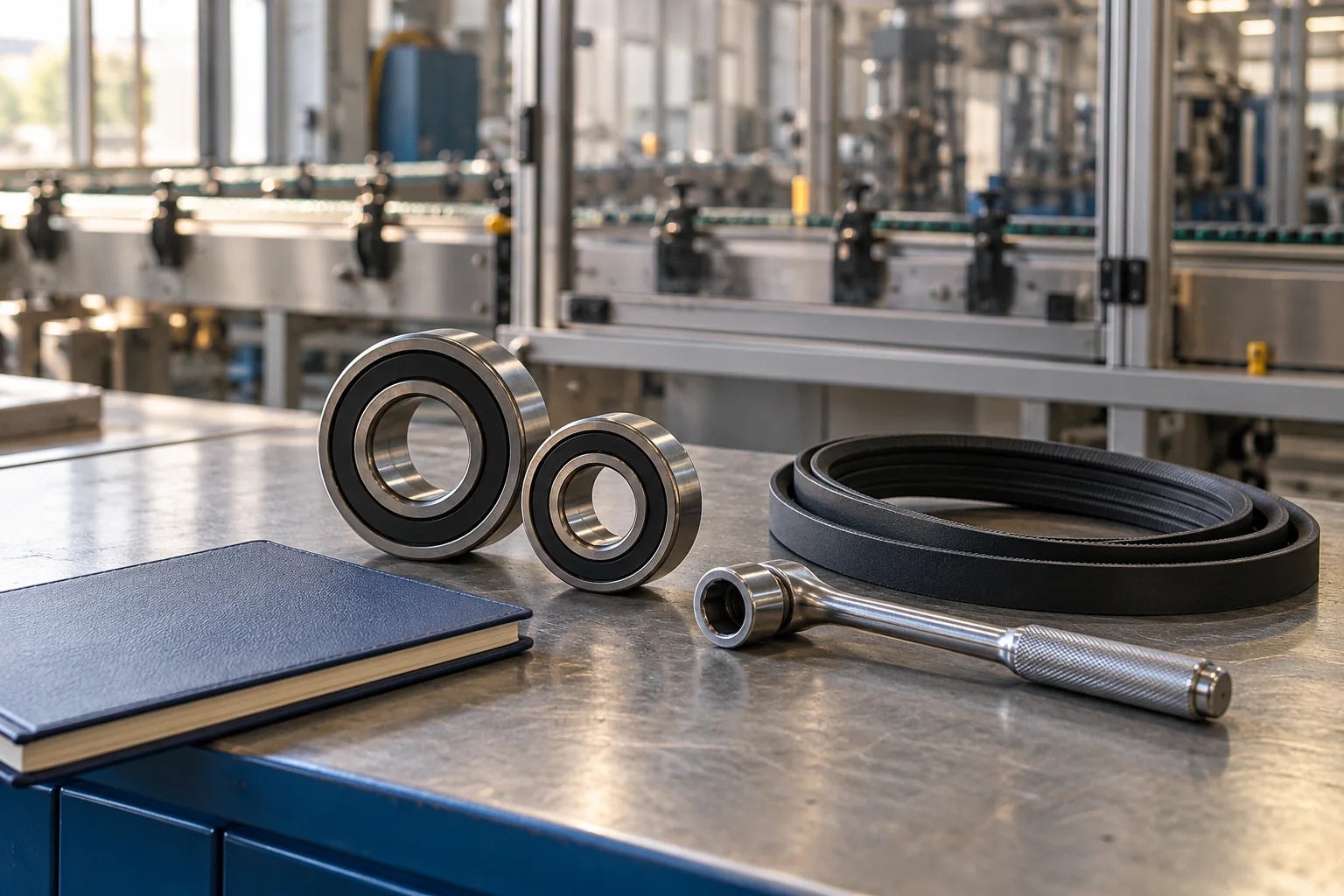
Put overhaul costs in the expected service period
Separate recurring maintenance from major service or component replacement. Date the cash payment using the service plan, expected usage and contract terms. Include the cash effect of the associated production interruption where applicable, while checking whether reduced output already captures the same lost contribution.
Use net terminal cash, with each component counted once
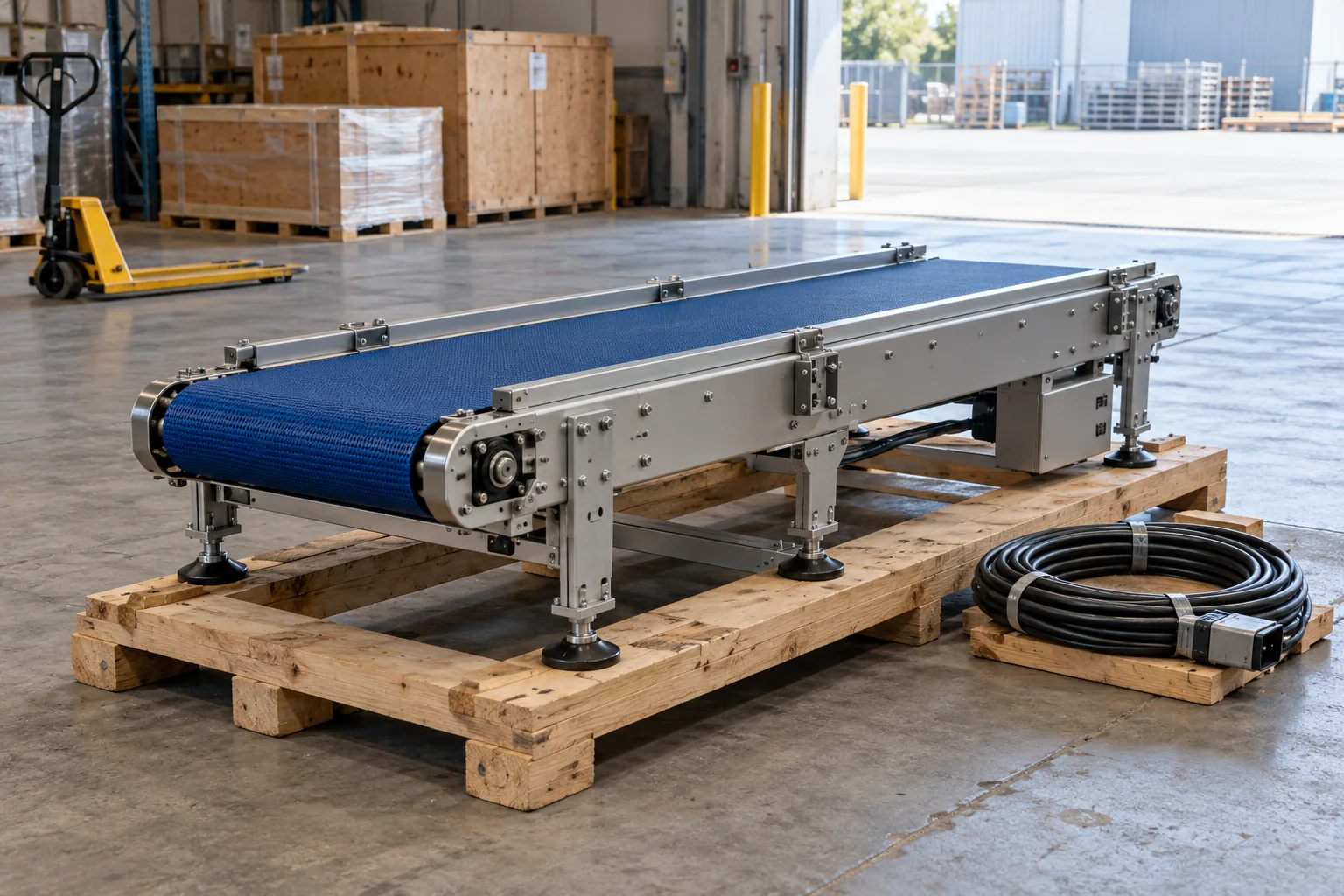
Equipment sale receipts, removal expense, disposal expense, tax effects and working-capital recovery can have different payment dates. Enter each at its expected date. Where they occur together at the appraisal endpoint, their combined contribution is:
Terminal cash = sale receipts − removal/disposal cash − tax payments + tax receipts + working-capital recovery
Use expected cash proceeds rather than accounting book value. If taxes and working-capital movements already have separate rows, keep them there and exclude them from the equipment-sale line. Count only working capital expected to be recovered. A positive residual estimate should have a resale basis and a removal scope that operations can explain.
When short payback and NPV disagree
Treat disagreement as a reason to inspect timing and later cash commitments. A project can recover its initial outlay quickly and still have negative NPV: discounted later costs may outweigh the remaining benefits, or the selected required return may exceed what the schedule earns.
| Result from the same schedule | Interpretation | Capital-request action |
|---|---|---|
| Payback meets company policy; NPV is positive | Recovery and modeled lifetime value support the proposal | Check downside cases, funding and execution constraints |
| Payback meets policy; NPV is negative | First recovery hides a required-return shortfall | Examine later repairs, benefit duration and rate basis before approval |
| Payback exceeds policy; NPV is positive | Lifetime value and recovery timing pull in different directions | Identify the binding liquidity limit and assess phasing or an authorized policy exception |
| Neither measure supports the proposal | The forecast fails both economic screens | Rework scope or compare alternatives; assess mandatory projects on their required objectives |
Compare alternatives against the same baseline, dates and appraisal horizon. If equipment lives differ, make the replacement or continuation treatment explicit before ranking their NPVs.
Test the assumptions that can reverse the result: move commissioning later, lower monetizable operating benefit, bring a major service payment forward, or reduce net resale proceeds. Report both metrics for each change. Avoid a blanket percentage haircut that obscures which operational event drives the decision.
“Return on investment” for equipment often refers to a percentage. Specify its numerator, denominator and time horizon before comparing proposals. NPV is a currency measure; payback is a time measure. Neither becomes an ROI percentage by changing its label.
Download the NPV and payback worksheet
Download the manufacturing equipment NPV and simple-payback worksheet (.xlsx).
The workbook includes a cash-flow schedule, input-source register and results summary. It calculates discounted value, cumulative undiscounted cash, the first recovered period, the final balance and a flag for a negative balance after first recovery.
- On Setup, enter the project baseline, currency, period unit, periodic discount rate and appraisal length. The workbook supports up to 120 equal periods; choose the length to suit the project.
- On Cash flows, enter signed amounts for time zero and every active period. Use zero for cash categories with no movement. Record taxes and working-capital movements in their dedicated columns; the terminal equipment column holds sale receipts less removal/disposal cash.
- On Input register, attach the source, date and owner of each material estimate. Keep the operating-benefit calculation traceable to avoided spending or saleable contribution.
- Read Results after completing the active inputs. Payback is reported at period end; use a finer period grid when timing within a year matters. Duplicate the workbook for alternative or downside cases and retain a common baseline.
Attach the completed schedule to the capital request with the commissioning assumption, next major service event and terminal-value basis visible beside the two headline results.